Kinship Kids
What is Kinship Care?
A ‘Kin Kid’ is any child or young person, under the age of 18 who lives full-time with a relative or family friend because they are not able to live with their birth parents.
There are thought to be more than 180,000 children living with Kinship Carers in the UK – that’s more than those in the care system and many more than those who are adopted.
Kinship care arrangements vary. It could include:
- Informal or private kinship arrangement between parents and relatives
- Registered private foster care
- Local authority foster care with family and friends (Family & Friends Foster Care)
- Kinship Care with Residence Order, Special Guardianship Order, Adoption Order or Child Arrangements Order.
Why Kinship Care?
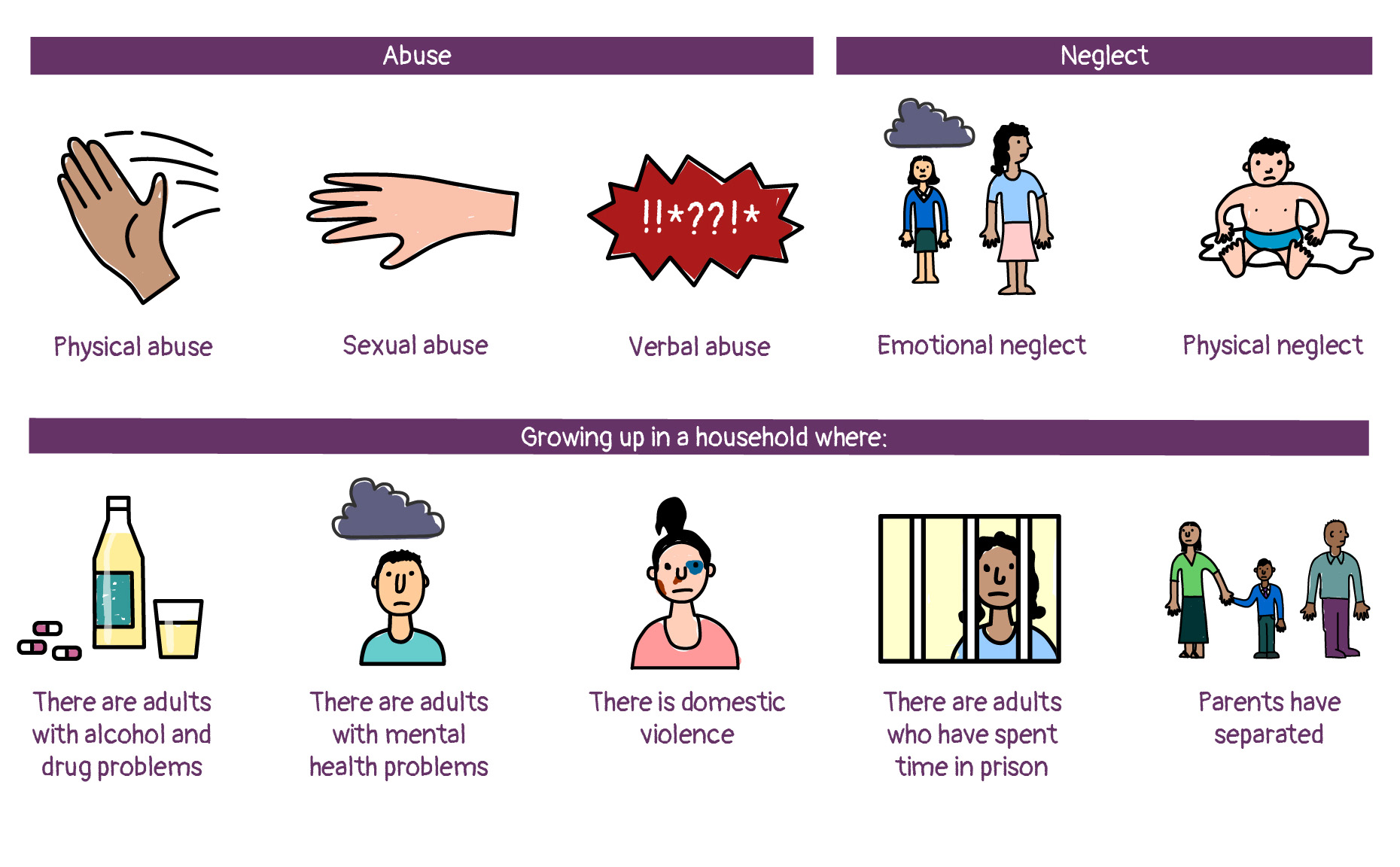
Kinship care often occurs as a result of the child or young person experiencing Adverse Childhood Experiences (ACEs) , so we all need to play a part in building their resilience and supporting their mental health and wellbeing.
Training Opportunity

Living with a family member: Unpacking Kinship Care – From Understanding to Action
Delivered by the MYA RAISE Team in partnership with Kinship Carers Liverpool , this bitesize session introduces kinship care, including what it is, how to recognise a kinship child, and why these arrangements happen. It explores the impact of trauma, ACEs, and lived experiences on the mental health of KinKids, alongside the challenges and strengths within kinship families. The session showcases an animation created in by Kinship Kids and focuses on the role professionals can play in identifying and supporting families, with practical guidance and signposting to support services.
This course is for those working with children and young people (in any capacity), and parents, carers, or those caring for children and young people.
To view dates and book your place, visit our training calendar.
Life as KinKid
Many Kinship children and young people feel overlooked in society and experience challenging situations on a daily basis.
The RAISE Team at Merseyside Youth Association collaborated with Kinship Carers Liverpool to better understand the needs of Kin Kids and their carers in Liverpool. They explored some of the key issues along with the resilience factors that play a role in their mental health and wellbeing.
The result of this work was a powerful and emotive amination with youth voice at its heart, detailing the daily challenges of Kin Kids that are often overlooked.
The animation calls for all to recognise we all have a role to play, appropriate, timely interventions for all the family and a trauma-informed approach to Kinship Care.
Legislation and Reports
Children’s Wellbeing and Schools Act 2026
Improving the Kinship Local Offer and Approach to Kinships Care (Feb 2026)
Kinship Care: Statutory guidance for local authorities (Oct 2024)
Championing Kinship Care: The National Kinship Care Strategy (Dec 2023)
Kinship Care: State of the Nation
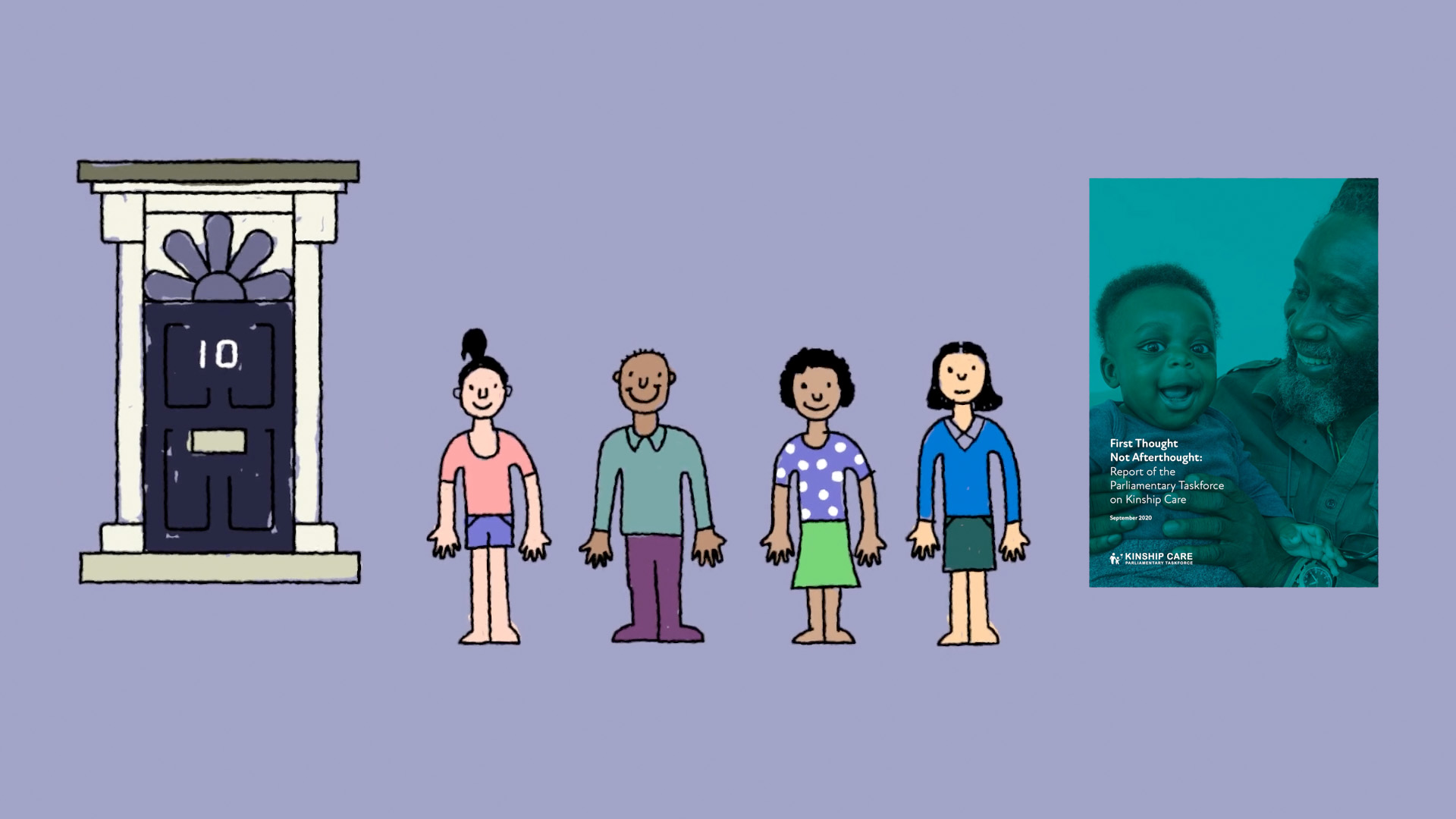
First Thought, Not an Afterthought: Report of the Parliamentary Taskforce on Kinship Care